Table of Contents
Introduction: Why Understanding Ivermectin Matters Today
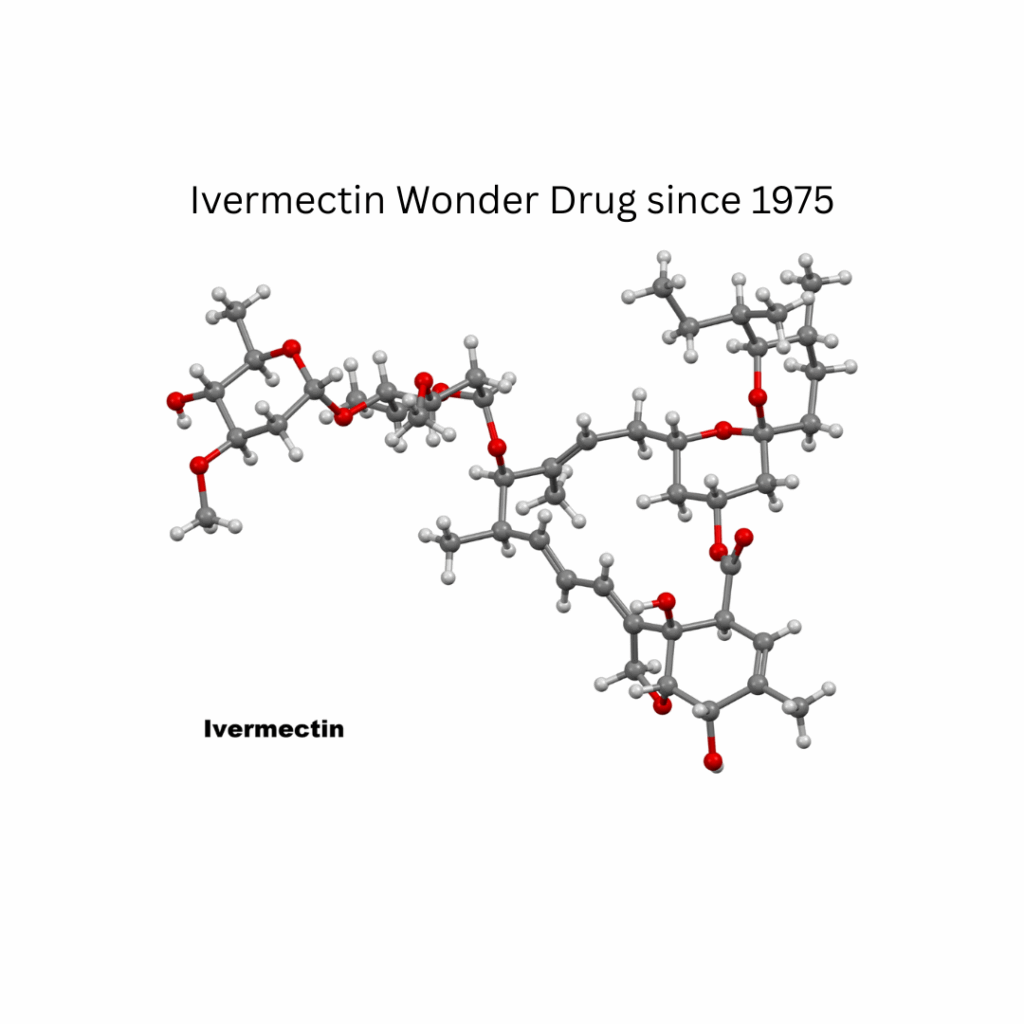
Ivermectin has a remarkable history in modern medicine. From the discovery of the compounds that led to its development in the 1970s to its role in treating parasitic diseases and supporting major global health programs, its journey spans scientific discovery, pharmaceutical development and public health.
This article traces the history of ivermectin from its origins in soil microorganisms through its development for human use, the expansion of global treatment programs, the 2015 Nobel Prize recognition, and the debates that shaped its modern regulatory landscape.
Whether you are a healthcare professional, a researcher, or simply someone curious about its journey, understanding ivermectin’s history and approved uses is essential. This article explores its origins, major milestones, medical applications, and evolving role in modern healthcare.
Origins of Ivermectin: A Scientific Breakthrough
Discovery by Satoshi Ōmura and William Campbell
The story of ivermectin begins with Japanese microbiologist Satoshi Ōmura, whose research focused on naturally occurring microorganisms found in soil. His team isolated strains of Streptomyces with potentially useful biological properties.
Ōmura’s research led to a collaboration with parasitologist William C. Campbell at Merck Research Laboratories. Campbell and his colleagues investigated compounds produced by these microorganisms and identified the antiparasitic potential of avermectins.
Avermectin subsequently became the foundation for the development of ivermectin, a modified derivative with important applications in veterinary and human medicine.
The Role of Streptomyces avermitilis
From Soil Microorganisms to Ivermectin
The discovery of avermectins demonstrated the pharmaceutical potential of naturally occurring microorganisms. Researchers subsequently developed ivermectin from the avermectin family, creating a compound with potent activity against several parasitic organisms.
What began as microbiological research ultimately became one of the most important developments in antiparasitic medicine.
Early Medical Applications
Veterinary Use Before Human Approval
Initially, ivermectin found its place in veterinary medicine, targeting parasitic infestations in livestock and pets. Its success in controlling worms, mites, and lice led to massive improvements in animal health and productivity worldwide.
First Human Applications for Parasitic Infections
The Nobel lecture describes investigation of ivermectin’s potential for human use beginning in 1978, followed by clinical work in the early 1980s. Human-use approval followed in France in 1987.
Use:
Ivermectin’s potential for human medicine was investigated alongside its established antiparasitic activity in animals. Human development focused particularly on onchocerciasis (river blindness), a parasitic disease that can cause severe skin disease and visual impairment.
Early clinical work demonstrated that ivermectin could substantially reduce the microfilariae responsible for many of the disease’s manifestations. Human-use approval followed in France in 1987, marking a major milestone in the history of the medicine.
Global Approval Timeline
| Year | Milestone |
|---|---|
| 1970s | Research into microorganisms and avermectin compounds advances |
| 1978 | Investigation of ivermectin’s potential for human medicine begins |
| 1981 | Early clinical work for onchocerciasis demonstrates promising results |
| 1987 | Human-use approval is granted in France; Merck begins its landmark Mectizan donation program |
| 1989 onward | Large-scale ivermectin distribution expands in onchocerciasis programs |
| 1990s onward | Ivermectin becomes increasingly important in global neglected tropical disease programs |
| 2015 | Ōmura and Campbell receive the Nobel Prize in Physiology or Medicine |
| 2020s | COVID-19 generates intense public and scientific debate around ivermectin |
Initial FDA Approval in the United States
In 1996, the U.S. Food and Drug Administration (FDA) approved ivermectin for human use against specific parasitic infections such as strongyloidiasis and onchocerciasis.
Expansion into Africa, Asia, and Latin America
With support from the Mectizan Donation Program, ivermectin was distributed free of charge to countries affected by river blindness and lymphatic filariasis. This initiative transformed it into one of the most widely administered medicines in history.
Ivermectin’s Impact on Global Health
A particularly strong historical fact:
In 1987, Merck committed to donating Mectizan (ivermectin) for as long as needed for people affected by onchocerciasis. WHO identifies population-based ivermectin treatment as the core strategy for eliminating onchocerciasis.
Global Impact
More than 5 billion ivermectin treatments have been donated through the Mectizan program since 1987.
River Blindness (Onchocerciasis) Control Programs
Onchocerciasis, caused by the parasitic worm Onchocerca volvulus, has historically plagued millions. Ivermectin disrupted transmission cycles, drastically reducing new infections and preventing blindness in countless communities.
Lymphatic Filariasis Elimination Efforts
Ivermectin has also played a role in mass drug administration strategies used against lymphatic filariasis in appropriate endemic settings. Its role varies according to the combination of medicines and the specific public-health strategy used in each region.
Other Neglected Tropical Diseases
Ivermectin has also been used against scabies, strongyloidiasis, and various intestinal parasites, improving quality of life in underserved regions.
The Nobel Prize Recognition
The 2015 Nobel Prize and Ivermectin’s Scientific Legacy
In 2015, William C. Campbell and Satoshi Ōmura were awarded the Nobel Prize in Physiology or Medicine, jointly with Youyou Tu, for discoveries concerning a novel therapy against infections caused by roundworm parasites.
The recognition reflected the broader scientific significance of avermectin research and its contribution to developing effective treatments for parasitic diseases.
How Ivermectin’s Medical Role Expanded
Over time, ivermectin became relevant to several parasitic and dermatological conditions in different formulations and regulatory settings. However, approved indications vary by country, formulation and route of administration.
For a detailed discussion of established human uses, see our Ivermectin Tablet Uses guide.
Dermatological Applications
Ivermectin has proven effective in treating rosacea and other skin conditions, thanks to its anti-inflammatory and anti-parasitic properties. Topical formulations are now widely available for dermatology patients.
Emerging Antiviral Research
Laboratory studies have suggested potential antiviral effects of ivermectin against certain RNA viruses. However, these findings remain in the research stage and are not yet part of mainstream medical guidelines.
Ivermectin During the COVID-19 Pandemic: Evidence, Debate and Regulation
During the COVID-19 pandemic, ivermectin attracted significant public attention after laboratory research and early clinical reports generated interest in its potential antiviral effects. Subsequent evidence and clinical guidance did not establish ivermectin as an approved treatment or preventive therapy for COVID-19.
The FDA states that ivermectin is not authorized or approved for preventing or treating COVID-19. WHO has recommended against its use for COVID-19 outside clinical trials.
The episode became an important chapter in ivermectin’s modern history, highlighting the challenges of interpreting preliminary research and communicating medical evidence during a global health emergency.
Regulatory Approvals and Current Legal Status Worldwide
Countries with Widespread Approval
Many nations continue to approve ivermectin for human use against specific parasitic infections, including India, Brazil, and Nigeria.
Regions with Restricted or Conditional Use
Some countries limit its use due to concerns about off-label prescribing and insufficient evidence for certain applications.
Safety Profile and Side Effects
Like any medicine, ivermectin should be used according to an approved indication and appropriate medical guidance. Its safety and dosing requirements depend on factors including the indication, formulation, patient characteristics and other medicines being taken.
The FDA notes that ivermectin can interact with other medicines and that excessive doses can cause serious adverse effects.
For detailed information about dosing and safety, readers should consult a qualified healthcare professional and the applicable product information.
Public Perception and Media Coverage
Global Public Health Impact
Entire communities in Africa and Latin America have been freed from the threat of blindness and disability thanks to ivermectin programs.
Controversies and Misuse
Misinterpretation of research during COVID-19 led to hoarding, black-market sales, and veterinary misuse in humans — a cautionary tale in public health communication.
The Future of Ivermectin Research
Research into ivermectin continues, particularly around parasitic diseases, neglected tropical diseases and other potential applications. However, laboratory findings and early-stage research should not be interpreted as established clinical indications.
The future role of ivermectin will depend on clinical evidence, regulatory evaluation and public-health needs.
FAQs
1. What is ivermectin primarily used for?
Ivermectin is mainly prescribed for parasitic infections such as onchocerciasis, strongyloidiasis, and scabies.
2. Is ivermectin safe for children?
Yes, under medical supervision, it is considered safe for children weighing over 15 kg.
3. Can ivermectin be purchased over the counter?
In most countries, it requires a prescription to ensure proper use and dosage.
4. Was ivermectin proven to cure COVID-19?
No — evidence remains insufficient, and health authorities recommend its use only in clinical trials.
5. How does ivermectin work?
It binds to parasite nerve and muscle cells, causing paralysis and death of the organism.
6. Who manufactures ivermectin?
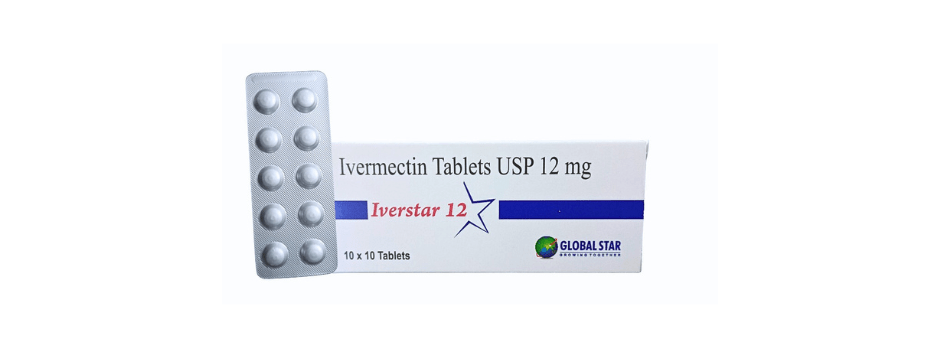
Global producers include Merck & Co., Sun Pharma, Cipla, Globalstar and numerous generic manufacturers.
External Reference:
World Health Organization – Ivermectin Fact
Contact Us to know more about Ivermectin 12mg Tablets Mobile: +917499209292 email: info@globalstarco.com