
Introduction
Importing Ivermectin 12mg tablets from India for legitimate B2B pharmaceutical requirements involves more than identifying a supplier and arranging international shipment.
International buyers should evaluate the proposed product, manufacturing arrangement, available documentation, packaging, minimum order quantity, destination-market requirements and export logistics before proceeding with a procurement project.
This guide explains the key considerations for sourcing Ivermectin 12mg tablets from India, including supplier evaluation, pharmaceutical documentation, regulatory requirements, packaging, MOQ, export logistics, bulk procurement, tender requirements and private-label or contract manufacturing arrangements.
Regulatory requirements vary by country. Buyers should independently confirm applicable registration, import authorization, labeling and distribution requirements with the competent authority in their destination market.
Looking to Source Ivermectin from India?
Share your destination country, required quantity and product requirements with our B2B team. We can evaluate the appropriate sourcing, manufacturing and export arrangement for your project.
Why Source Pharmaceutical Products from India?
India has a large pharmaceutical manufacturing and export ecosystem with experience supplying products to international markets.
For qualified international buyers, sourcing from India may offer access to:
- Established pharmaceutical manufacturing capabilities
- Generic pharmaceutical products
- Contract manufacturing arrangements
- Private-label/OEM opportunities
- Export documentation support
- International pharmaceutical supply networks
- Multiple packaging options
What Type of B2B Ivermectin Supply Do You Need?
Standard B2B Supply
For pharmaceutical importers, distributors and wholesalers requiring established product supply.
Bulk / Wholesale Supply
For larger-volume pharmaceutical procurement requirements.
Government Tender Supply
For institutional and government procurement projects where applicable.
Private Label / OEM
For eligible pharmaceutical companies or brand owners requiring customized packaging or own-brand arrangements.
Contract Manufacturing
For projects requiring a defined manufacturing arrangement.
Step 1: Choose an Ivermectin Supplier or Manufacturing Partner in India
The first step is to identify a pharmaceutical supplier or contract manufacturing partner capable of supporting the requirements of your destination market.
Rather than evaluating a supplier only on price, international buyers should review the manufacturing arrangement, applicable quality documentation, product specifications, export experience and regulatory support available for the proposed project.
Depending on the product and destination market, buyers may evaluate:
- Applicable GMP documentation
- Pharmacopoeial compliance such as USP, IP or BP where applicable
- Batch-wise quality testing
- Product specifications
- Stability information
- Manufacturing documentation
- Export experience
- Packaging capabilities
- Private-label/OEM capabilities
- Destination-market documentation requirements
The appropriate supply arrangement depends on the product, destination market, quantity, packaging requirements and regulatory pathway.
Globalstar’s Role
Globalstar supports qualified B2B pharmaceutical sourcing, contract manufacturing coordination and export requirements from India. The applicable manufacturing documentation depends on the actual product, manufacturing partner and destination-market requirements.
Request Product Documentation / Enquiry
For more information about contract manufacturing and export arrangements:
Ivermectin 12mg Contract Manufacturing & Export
Step 2: Verify Product Documentation
Pharmaceutical importers should establish the documentation requirements before confirming a commercial order.
Depending on the destination country, product and procurement project, documentation may include:
- Certificate of Analysis (COA)
- Product specification sheet
- Batch Manufacturing Record (BMR), where applicable
- Stability information
- Applicable GMP documentation
- Manufacturing licence or related regulatory documentation
- Certificate of Pharmaceutical Product (CPP/COPP), where applicable
- Packaging and labelling specifications
- Export documentation
| Document | Typical purpose |
|---|---|
| Certificate of Analysis | Batch/product quality information |
| Product Specification | Technical requirements |
| GMP Documentation | Manufacturing quality information |
| Stability Information | Shelf-life/storage assessment |
| CPP/COPP | Regulatory support where applicable |
| Manufacturing Documentation | Manufacturing verification |
| Packaging Specifications | Labelling/packaging review |
| Export Documentation | Shipment/customs requirements |
These documents may be required for purposes such as:
- Product registration
- Import authorization
- Regulatory review
- Institutional procurement
- Government tender participation
- Quality evaluation
- Customs and shipment processing
The exact documentation package should be confirmed with the relevant regulatory authority and the importing organization.
What Should Buyers Verify?
Before placing an order, ask the supplier to confirm:
- The exact product specification.
- The applicable pharmacopoeial standard.
- The manufacturing arrangement.
- Available quality documentation.
- Batch-related documentation.
- Packaging configuration.
- Shelf-life and storage information.
- Destination-country documentation requirements.
Documentation should be current, authentic and relevant to the actual product and manufacturing arrangement.
Step 3: Understand Country-Specific Registration Requirements
One of the most important steps when importing pharmaceutical products is understanding the regulatory framework of the destination country.
Requirements can vary significantly between markets.
Depending on the jurisdiction, an importer may need:
- Product registration
- Import authorization
- Local pharmaceutical licensing
- Local representation
- Approved product labelling
- Regulatory dossier
- Stability information
- Certificate of Pharmaceutical Product
- Country-specific packaging
- Language-specific labelling
Requirements applicable to Ivermectin 12mg tablets can differ substantially between jurisdictions; buyers should verify current requirements directly with the competent authority in the destination market.
Country-Specific Import Requirements
Before placing an order, buyers should establish:
- Whether Ivermectin 12mg is registered in the destination market.
- Whether the proposed product requires local registration.
- Whether an import licence or authorization is required.
- Whether the product is prescription-only or subject to other restrictions.
- Whether local-language labelling is required.
- What storage conditions and shelf-life requirements apply.
- Whether additional regulatory documentation is required.
These requirements should be confirmed directly with the competent regulatory authority or a qualified local regulatory professional.
Do not assume that approval or importability in one country automatically applies to another country.
Step 4: Evaluate Packaging Standards for Export
Packaging is an important consideration when importing pharmaceutical products internationally.
The selected packaging should be appropriate for:
- Product specifications
- Shelf-life requirements
- Transportation conditions
- Storage conditions
- Destination-market regulations
- Labelling requirements
Depending on the project, pharmaceutical tablet packaging may include:
- Blister packaging
- Alu-Alu blister packaging
- Cartons
- Export cartons
- Private-label packaging
- Destination-specific labelling
Alu-Alu Packaging
Alu-Alu blister packaging can provide enhanced protection against environmental exposure, including moisture and light, compared with some other packaging configurations.
However, the appropriate packaging should be determined according to the actual product specification, stability data, storage conditions and destination-market requirements.
For private-label projects, packaging and artwork should also be reviewed against the regulatory requirements of the destination market before production.
Step 5: Confirm Minimum Order Quantity (MOQ)
Minimum order quantity is an important consideration when evaluating pharmaceutical suppliers from India.
MOQ can vary according to:
- Product
- Packaging format
- Order quantity
- Private-label requirements
- Artwork requirements
- Regulatory requirements
- Destination country
- Manufacturing arrangement
- Production schedule
For standard B2B supply, the MOQ may differ from a private-label or contract manufacturing project.
Buyers should therefore provide their expected quantity and packaging requirements when requesting a quotation.
Typical B2B Requirements May Include:
- Distributor supply
- Institutional procurement
- Government tender requirements
- Private-label projects
- Recurring pharmaceutical supply
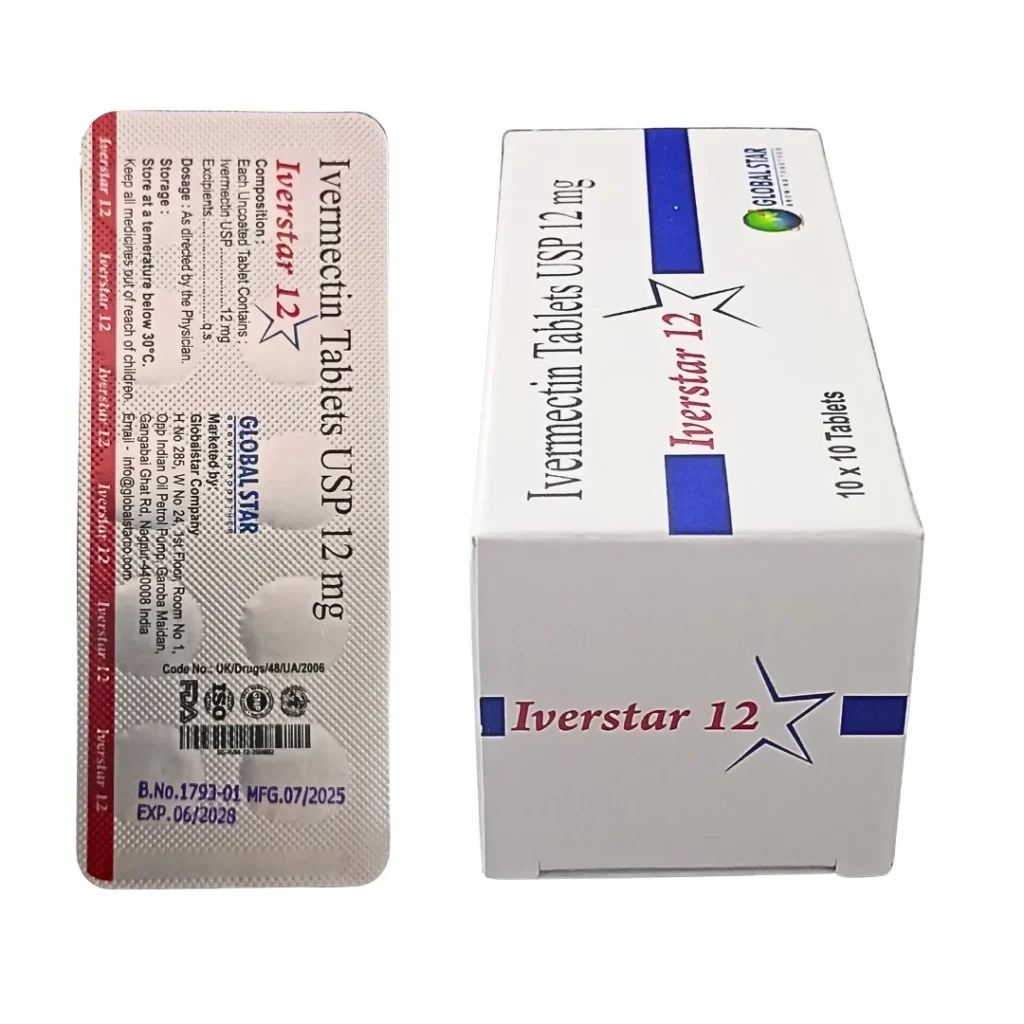
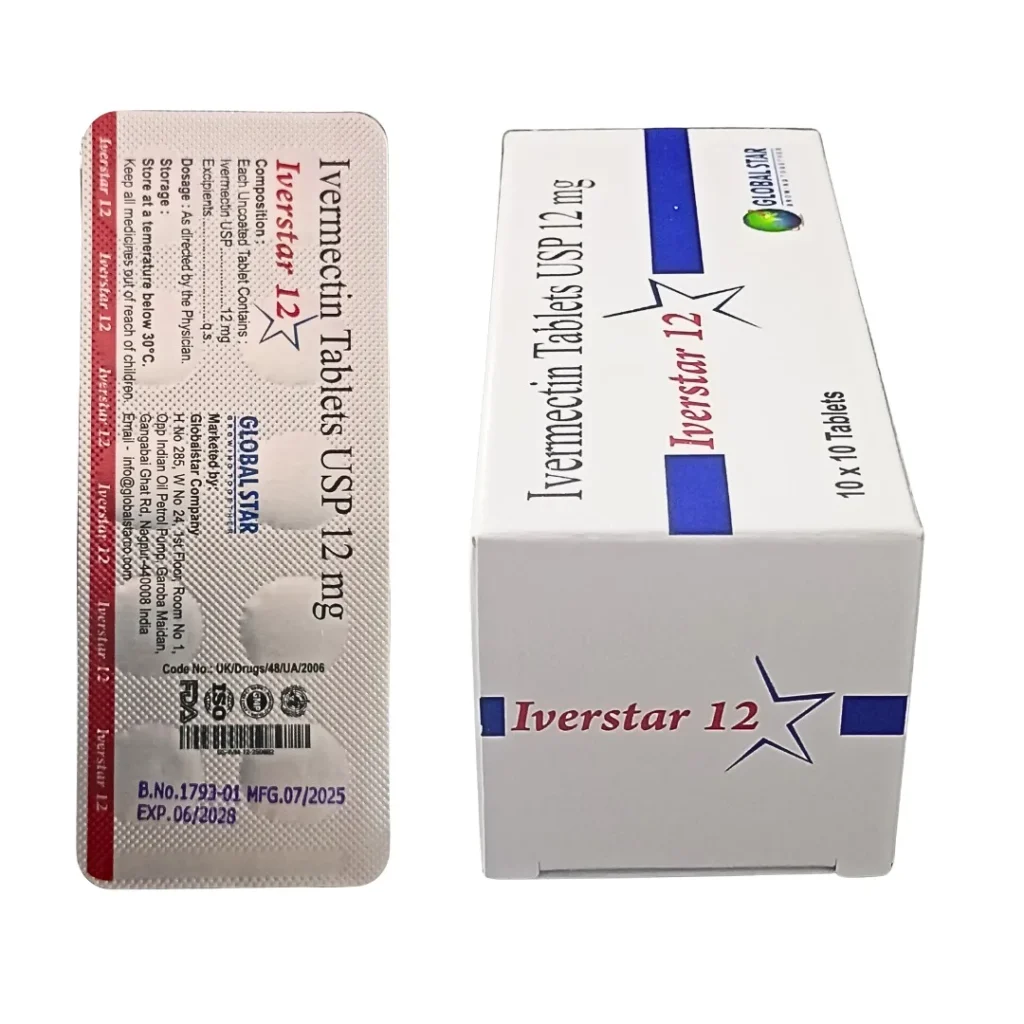
For Iverstar 12mg USP Tablets, you can review the product-specific information here:
For larger institutional or tender requirements:
Ivermectin 12mg Bulk Supply for Government Tenders
Step 6: Export Logistics & Shipping
Once the product, documentation and commercial requirements have been evaluated, the export process can move toward shipment planning.
A typical pharmaceutical export process may include:
- Requirement and specification review
- Supplier/manufacturing evaluation
- Documentation review
- Commercial quotation
- Proforma invoice
- Purchase order confirmation
- Production or product sourcing
- Batch testing and quality review
- Final documentation
- Export documentation preparation
- Customs clearance
- Shipment dispatch
The exact documentation package depends on the product, shipment, destination country and regulatory requirements.
For a broader explanation of pharmaceutical export documentation:
Pharmaceutical Export Documentation Guide
Step 7: Compliance & Responsible Pharmaceutical Procurement
Importers should ensure that pharmaceutical procurement and distribution activities comply with the laws and regulatory requirements applicable in the destination market.
Before proceeding with an international pharmaceutical order, buyers should verify:
- Import authorization requirements
- Product registration status
- Applicable pharmaceutical licensing
- Prescription classification
- Labelling requirements
- Storage requirements
- Distribution requirements
- Customs requirements
- Local regulatory obligations
Pharmaceutical products should be supplied through appropriate authorized channels and handled in accordance with applicable laws.
Globalstar supports qualified B2B pharmaceutical procurement and export requirements, while the importer remains responsible for complying with the regulatory requirements applicable to its own market and activities.
Key Considerations Before Importing Ivermectin 12mg Tablets
Before selecting an Indian pharmaceutical supply partner, buyers should evaluate the following:
1. Product Compliance
Confirm that the proposed product specification matches your intended market and procurement requirement.
2. Manufacturing Arrangement
Understand whether the product is supplied as a standard branded product, sourced through a pharmaceutical partner, or manufactured under a contract/private-label arrangement.
3. Documentation
Verify what quality, regulatory and export documentation can be provided for the actual product and destination market.
4. Packaging
Confirm that the proposed packaging and labelling meet the destination-market requirements.
5. MOQ
Establish the minimum quantity before finalizing commercial negotiations.
6. Production & Lead Time
Discuss production scheduling, documentation timelines and expected shipment planning before issuing a purchase order.
7. Export Experience
Evaluate whether the supplier or export partner has experience coordinating international pharmaceutical shipments and destination-specific documentation.
8. Regulatory Responsibility
Confirm which regulatory responsibilities belong to the exporter, importer, local representative and other parties involved in the transaction.
A structured evaluation can reduce avoidable delays during pharmaceutical procurement and importation.
However, buyers should evaluate each supplier and product individually rather than assuming that all Indian pharmaceutical suppliers operate under the same standards or regulatory approvals.
Globalstar’s B2B Supply Model
Globalstar supports international pharmaceutical requirements through:
- Pharmaceutical product sourcing
- Contract manufacturing coordination
- Private-label/OEM projects
- Bulk pharmaceutical procurement
- Tender-related supply
- Documentation coordination
- Export support
- International shipment coordination
For pharmaceutical importers and distributors:
Pharmaceutical Importers & Distributors
For contract manufacturing:
Ivermectin Contract Manufacturing & Export
Frequently Asked Questions
Do I need an import licence for Ivermectin tablets?
Import requirements vary by destination country and the product’s regulatory classification. Importers should verify whether an import authorization, product registration, local pharmaceutical licence or other regulatory approval is required with the competent authority in their country before placing an order.
How long does product registration take?
Registration timelines vary considerably between countries and depend on the applicable regulatory pathway, dossier requirements, product classification and review process. Buyers should obtain the expected timeline directly from the relevant regulatory authority or qualified local regulatory professional.
Can Ivermectin tablet packaging and labelling be customized for export?
Packaging and labelling may be customizable for eligible B2B, private-label or contract manufacturing projects, subject to the destination country’s regulatory requirements, approved product specifications and manufacturing feasibility.
Is Alu-Alu packaging suitable for tropical regions?
Alu-Alu blister packaging can provide enhanced protection against environmental exposure such as moisture and light. However, the appropriate packaging configuration should be determined according to the product’s stability information, storage conditions, transportation requirements and destination-market regulations.
Can I import Ivermectin 12mg tablets from India for a government tender?
Potentially, subject to the tender specifications, destination-country regulations, product registration requirements, import authorization and other applicable procurement conditions. Buyers should first provide the relevant tender specification so that the product and documentation requirements can be evaluated.
Can Globalstar support private-label Ivermectin 12mg projects?
Eligible private-label and contract manufacturing projects can be evaluated based on the destination market, required quantity, packaging, documentation and regulatory requirements.
How can I source Ivermectin tablets from India?
Sourcing Ivermectin tablets from India typically involves identifying a suitable pharmaceutical supplier or manufacturing partner, confirming product specifications and available documentation, and evaluating the requirements of the destination market. Buyers should also confirm packaging, MOQ, commercial terms, export documentation and applicable import requirements before proceeding. Globalstar supports qualified B2B sourcing, contract manufacturing and pharmaceutical export requirements based on the buyer’s product, quantity, destination and packaging needs.
How do I choose an Ivermectin supplier in India?
When evaluating an Ivermectin supplier in India, buyers should consider the supplier’s manufacturing or sourcing arrangement, product specifications, quality documentation, applicable GMP documentation, batch testing, packaging capabilities, export experience and ability to support destination-market requirements. For larger or recurring requirements, buyers should also evaluate MOQ, lead times, private-label capabilities and documentation support before selecting a supply partner.
What documents may be required to import Ivermectin from India?
The documents required can vary according to the destination country, product, shipment and applicable regulations. Depending on the transaction, buyers may need documents such as a Certificate of Analysis (COA), product specifications, GMP or manufacturing documentation, stability information, Certificate of Pharmaceutical Product (CPP/COPP) where applicable, commercial invoice, packing list, Certificate of Origin and shipping documents. Importers should confirm the exact requirements with the competent regulatory and customs authorities in their destination market before placing an order.
Need Help Importing Ivermectin 12mg Tablets from India?
If you are a pharmaceutical importer, licensed distributor, institutional procurement team, government tender participant or pharmaceutical company, you can share your requirement with Globalstar.
To help us evaluate your requirement, please provide:
- Destination country
- Required quantity
- Product specification
- Packaging requirement
- Tender document, if applicable
- Expected delivery timeline
- Private-label requirement, if applicable
- Required regulatory documentation
Our B2B team can then evaluate the requirement and advise on the appropriate sourcing, contract manufacturing and export arrangement.
Start an Import Discussion
Submit Your Pharmaceutical Enquiry
For product-specific information:
Conclusion
Importing Ivermectin 12mg tablets from India requires more than identifying a supplier and arranging international shipping.
Successful pharmaceutical procurement requires careful evaluation of the product specification, manufacturing arrangement, documentation, destination-country regulations, packaging, MOQ, production planning and export requirements.
For licensed pharmaceutical importers, distributors, institutional buyers and tender participants, working with a structured pharmaceutical sourcing and contract manufacturing partner can simplify coordination between product requirements, manufacturing, documentation and international export.
Globalstar supports qualified B2B pharmaceutical requirements from India through pharmaceutical sourcing, contract manufacturing coordination, private-label projects and export support.
For detailed information about Ivermectin manufacturing and export arrangements: