
Surgical Instruments — Stainless Steel & Titanium Procedure Sets

In-depth Overview — What Hospitals & Distributors Must Know
Selecting the right surgical instruments is critical to surgical outcomes, OR efficiency and long-term cost-effectiveness. GlobalStar supplies procedure-specific instrument sets and single instruments in both premium surgical-grade stainless steel and medical-grade titanium. Below is a detailed, practical guide to instrument categories, material benefits, procurement considerations, sterilization and lifecycle management to help clinical procurement teams, distributors and tender buyers make informed decisions.
Instrument categories & typical use-cases
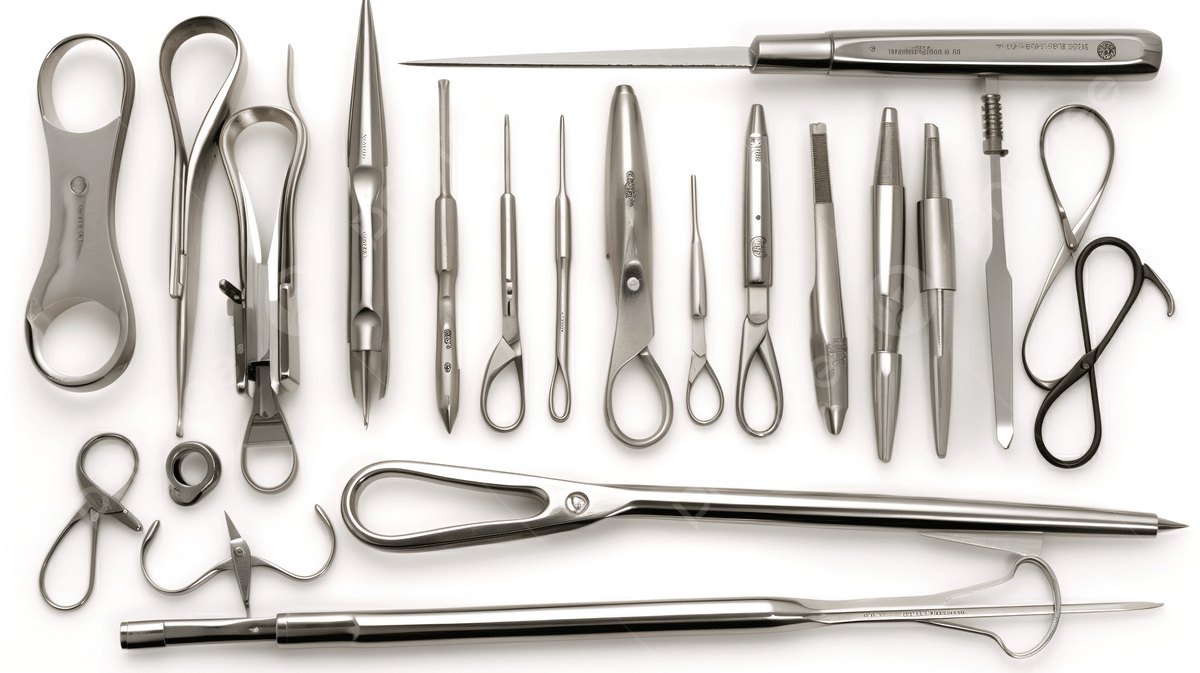
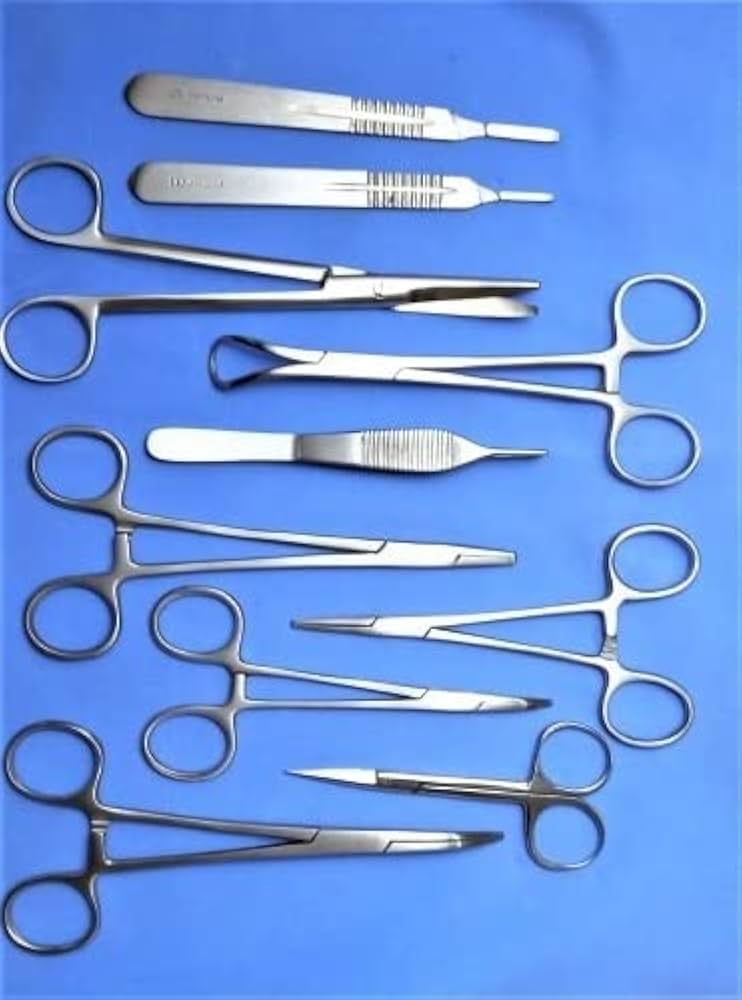
Our catalog includes general-purpose instruments (scalpels, forceps, needle holders, scissors), specialised sets for orthopaedics (bone rongeurs, periosteal elevators), ENT and neuro tools, laparoscopic instruments (trocar sets, graspers, scissors), and microsurgical instruments for ophthalmic and vascular work. Procedure trays are configured to match surgical workflows: pre-assembled cataract trays, orthopaedic tray kits with implant-compatible handles, laparoscopic tower-compatible instrument sets, and custom packs for teaching hospitals.
Material choices — stainless steel vs titanium
Surgical-grade stainless steels (e.g., 316/420 series) provide excellent edge retention and robust durability at a favourable cost. Titanium offers lower weight, superior corrosion resistance, non-magnetic behaviour (important near imaging equipment) and the ability to machine ultra-fine tips for microsurgery. Choose stainless for heavy-duty instruments (retractors, clamps) and titanium for fine microsurgical forceps, delicate scissors and long-duration procedures where surgeon fatigue matters.
Quality & compliance
For tenders and hospital procurement, insist on CE and ISO certificates, sterilization validation, batch-level QC reports, and material certificates tracing raw alloy composition. Our instruments are finished to surgical tolerances, calibrated for tip alignment and tested for functionality (e.g., locking mechanisms on forceps, box lock alignment on needle holders). We include traceable batch documentation and sterilization validation for all tender packs.
Sterilization, maintenance & lifecycle management
Proper decontamination, cleaning, inspection and validated sterilization cycles (autoclave, EO, or validated low-temp methods for delicate tools) are essential. Titanium tolerates autoclave cycles well but requires prompt cleaning and appropriate lubricants ("instrument milk") for hinged instruments. We provide guidance documents for instrument care, recommended sterilization cycles and can supply maintenance/reprofiling services for high-use hospital sets.
Procurement checklist for tender buyers & distributors
- Define the procedure and expected instrument usage profile (frequency, environment, sterilization method).
- Request CE/ISO and material certificates; review batch QC and sterilization validation reports.
- Ask for sample instruments for tactile testing and tip alignment checks.
- Confirm private-label options, packaging specifications, MOQs and lead times.
- Plan spare inventory and reconditioning schedules to extend instrument life and reduce long-term costs.
GlobalStar supports end-to-end procurement: sample kits for evaluation, customised tray assembly with private branding, full tender documentation and global logistics (door-to-door dropshipping or full-container shipments). We also advise on instrument lifecycle programs, vendor managed inventory, and on-site training for sterile processing teams.