
BP Apparatus — Clinical-Grade Blood Pressure Monitors & Sphygmomanometers
In-Depth Overview & Procurement Insights
Effective blood pressure monitoring is a cornerstone of cardiovascular healthcare. The accuracy, durability and workflow integration of BP apparatus impact clinical outcomes, patient safety and procurement value. At GlobalStar, we supply a comprehensive range of BP monitoring devices — from classic manual sphygmomanometers and aneroid models to full-feature digital solutions with data export, connectivity and hospital-grade durability. Our offering is tailored for hospitals, clinics, distributors and importers with global tenders, private-label branding and dropshipping support.
Device Categories & Usage Contexts
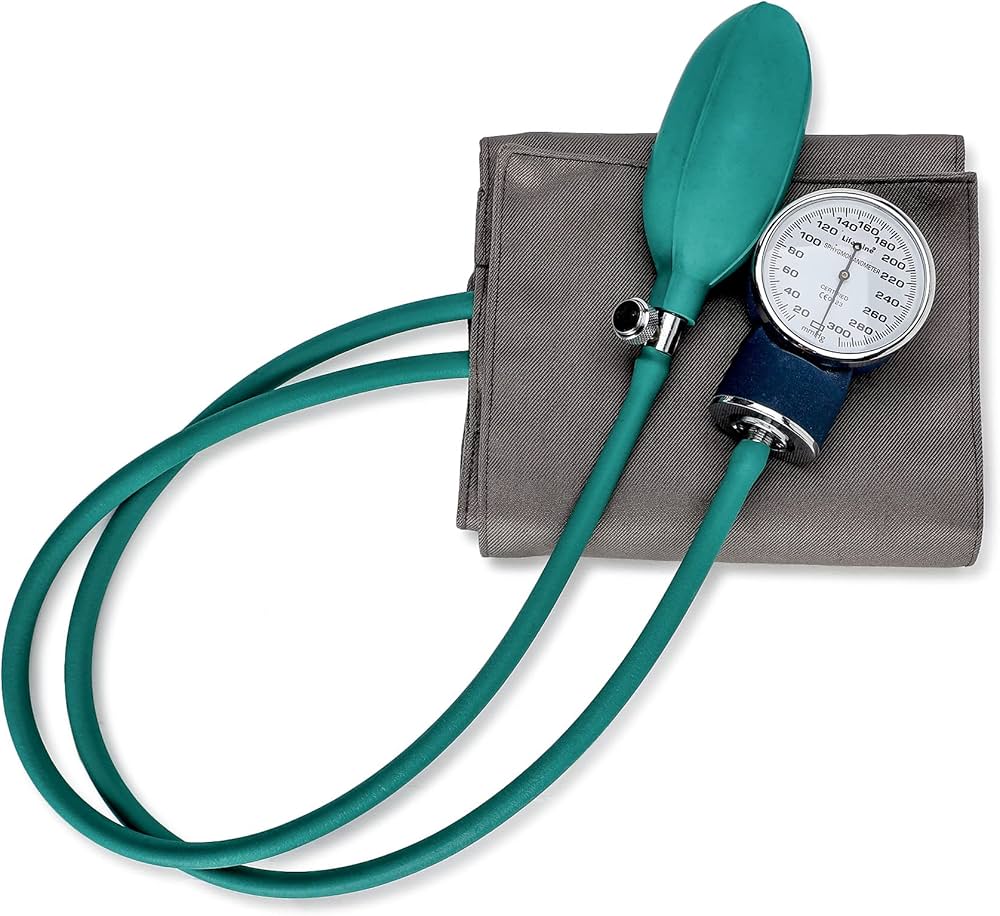
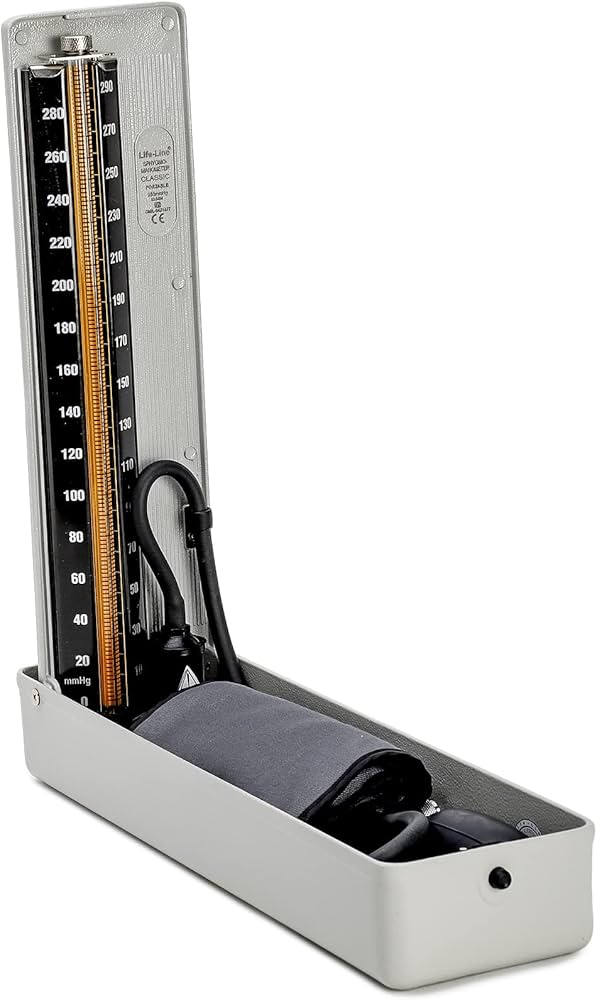
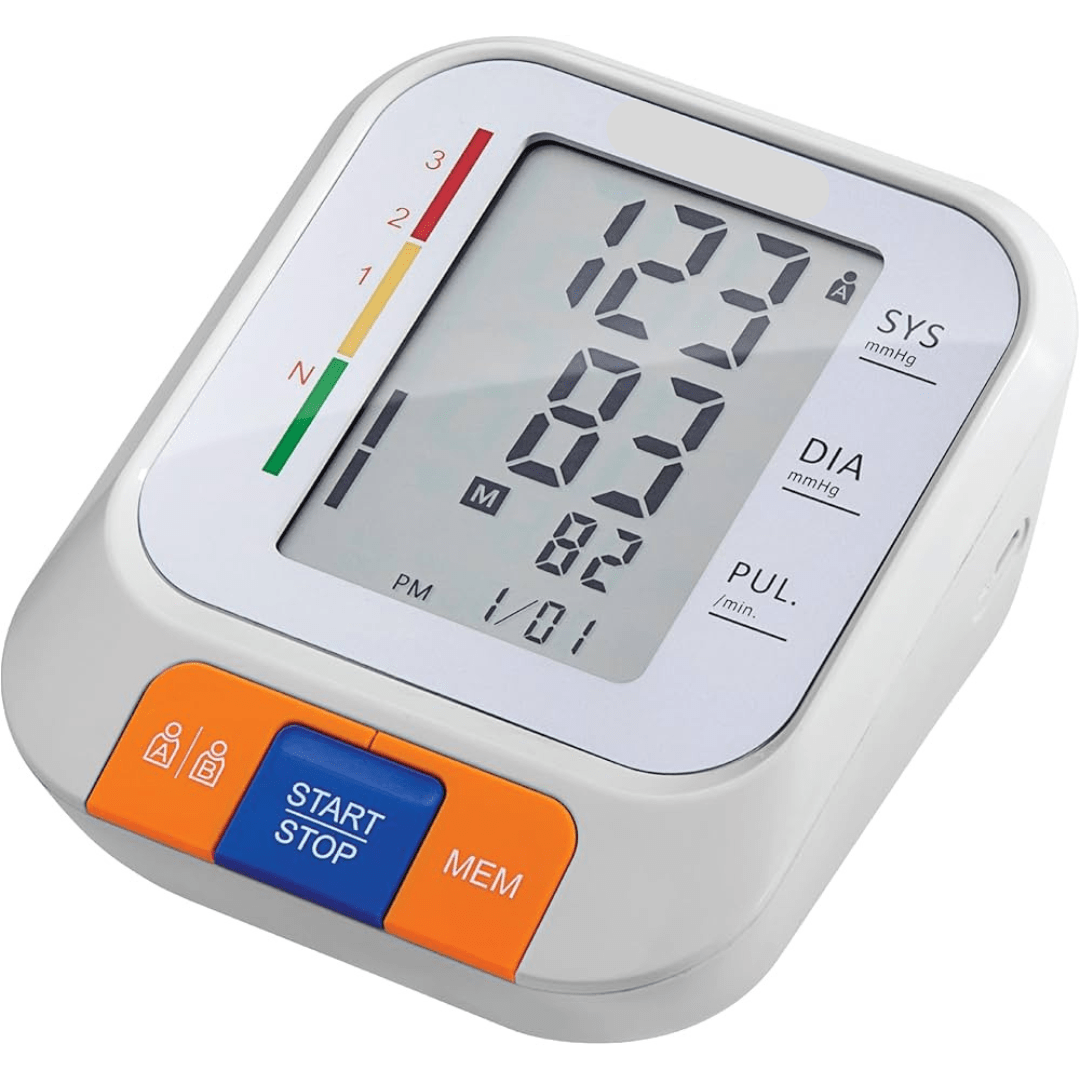
Manual sphygmomanometers remain a staple in many clinical settings due to their reliability, simplicity and long service life. These include mercury-free models (aneroid) or compact digital models for bedside use. Digital BP monitors, whether cuff-based upper-arm, wrist or ambulatory models, offer ease of use, memory recall and connectivity — especially valuable for outpatient clinics, chronic care and home health programmes.
Key attributes to compare
- Accuracy & calibration: Clinical accuracy (±3 mmHg) and periodic recalibration are essential for hospital use.
- Cuff compatibility: Range of arm sizes, universal cuffs, replaceable cuffs reduce logistic complexity.
- Connectivity & data export: Digital monitors with Bluetooth/USB output and integration into EHR systems offer higher value for distributors and hospitals.
- Durability & maintenance: Hospital settings require devices that withstand frequent use, sterilization of cuffs and part replacements.
Quality certifications & regulatory compliance
For B2B procurement, insist on CE certification (e.g., CE-MDR or CE-IVD where applicable), ISO 13485 quality system adherence, calibration certificates and validation reports. Our supply packs include calibration traceability, manufacturing batch records and tender-friendly documentation for global export and regulatory submission.
Procurement checklist for distributors and hospitals
When selecting a BP apparatus supplier, review these steps:
- Define the clinical setting: inpatient ward, outpatient clinic, home monitoring or tele-health programme.
- Identify required features: memory storage, user profiles, connectivity, large display, cuff sizes.
- Request sample units for evaluation, including cuff ergonomics and display readability.
- Review tender documentation: calibration certificate, warranty terms, spare parts availability.
- Consider supply chain: private-label branding, bundle kits, consumables (extra cuffs, batteries), dropshipping and container-scale shipping.
GlobalStar offers tailored packaging — branded kits with extra cuffs and batteries, swap-out programmes for high-use hospitals and global logistics solutions. Our product support includes calibration schedule templates, user-training guides and servicing network alignment — critical for repeat tenders and distributor margins.
Value proposition for B2B buyers
For distributors and wholesalers, effective blood pressure monitoring devices are a rapidly recurring consumable ecosystem: cuffs, batteries, spare parts and data-connectivity modules. Offering private-label solutions enhances margin and brand loyalty. Hospitals benefit when device reliability reduces rework, calibrations and patient complaints — supporting cost-control and accreditation requirements.
In summary, BP apparatus supply is not just about devices — it is about lifecycle cost, data integration, compliance documentation and supply chain reliability. GlobalStar supports you across these dimensions: from product evaluation, tender pack preparation, private-label manufacturing, to global logistics and after-sales support. Partner with us to provide hospital-grade BP monitoring solutions globally.