
Continuous Glucose Monitoring System (CGM) — Real-Time, 24/7 Monitoring
Overview
Continuous Glucose Monitoring (CGM) systems represent a major advance in diabetes care by continuously tracking interstitial glucose levels and providing real-time trends and alerts. Unlike single finger-stick readings, CGM offers a dynamic glucose profile — enabling clinicians and patients to see how glucose levels respond to meals, insulin, exercise and sleep. For hospitals, clinics and distributors, CGM systems open new revenue streams (devices + consumables) while improving clinical outcomes when integrated into care pathways.
How CGM works — components & workflow
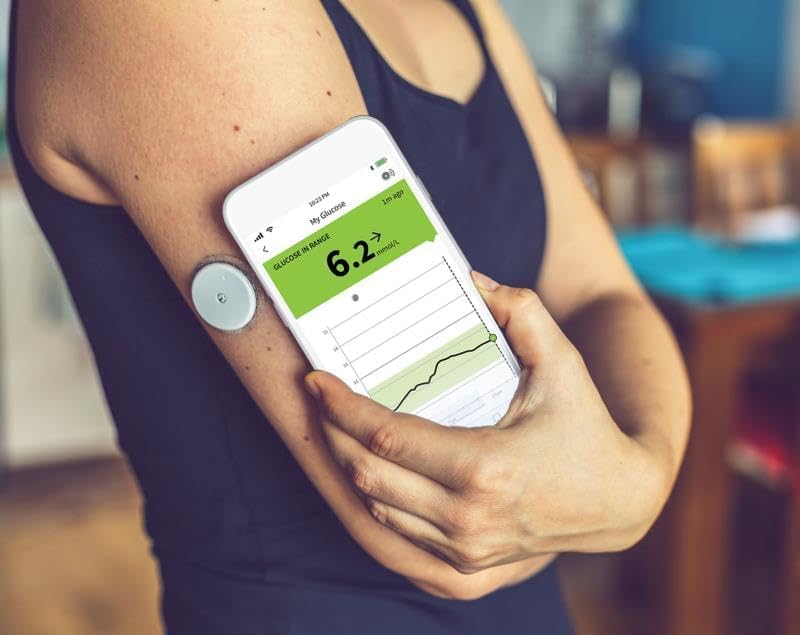
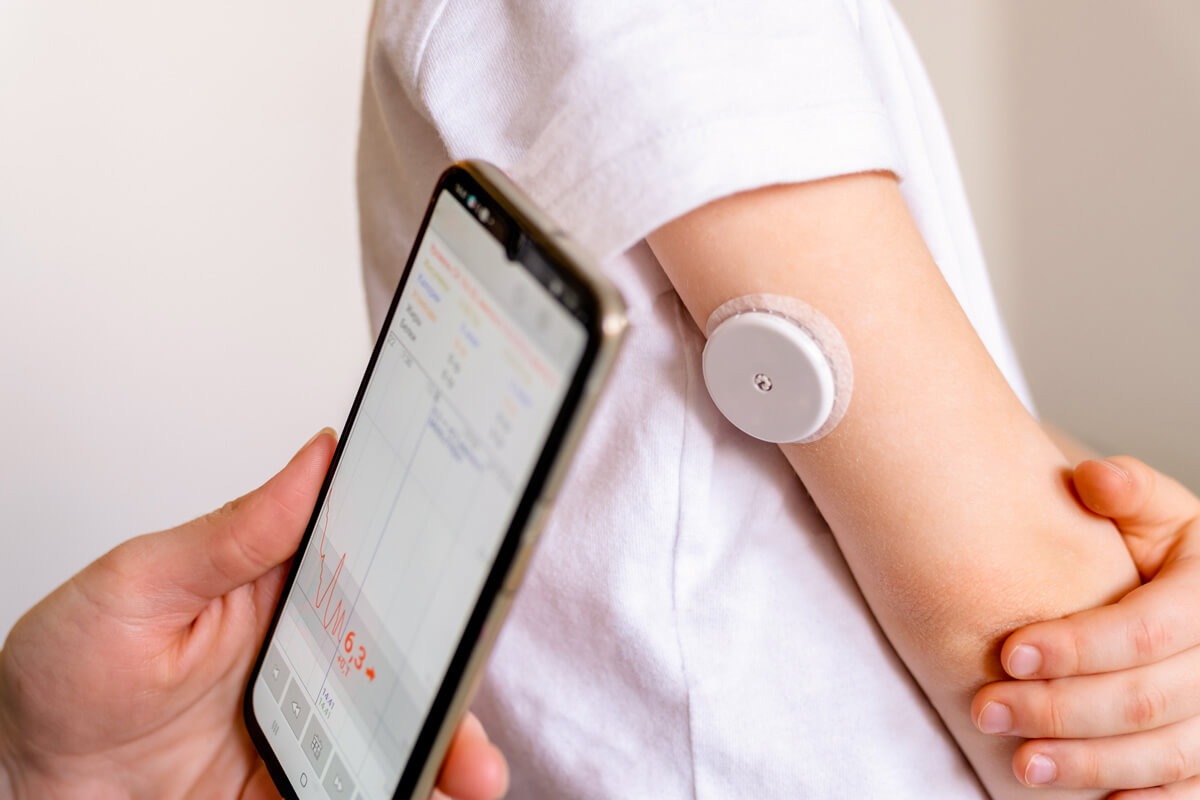
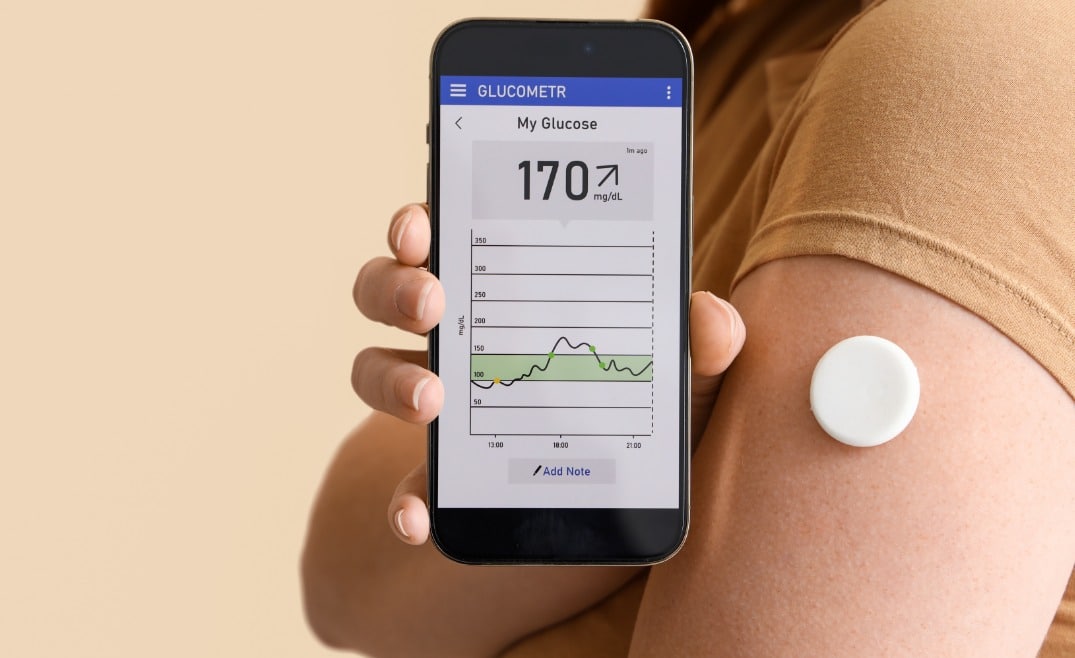
A CGM solution typically comprises three components: a disposable subcutaneous sensor (measures interstitial glucose), a small transmitter that sends data wirelessly, and a display device (receiver or smartphone app) which shows readings, trends and alerts. Sensors are usually worn 7–14 days (model-dependent). The transmitter may be clipped on or integrated into the sensor assembly and can send continuous readings at regular intervals (e.g., every 1–5 minutes).
Clinical benefits & evidence
Clinical studies show CGM reduces time spent in hypo- and hyperglycaemia, lowers HbA1c in many patient groups, and improves 'time in range' — a key performance metric. Real-time alarms reduce severe hypoglycaemic events, making CGM valuable for insulin-dependent patients, those with hypoglycaemia unawareness, and high-risk inpatient scenarios where tight control is crucial.
Features hospitals consider
- Sensor life: 7–14 days sensors reduce replacement frequency and logistics overhead.
- Connectivity: Bluetooth/cloud integration for remote monitoring, EMR compatibility and batch analytics.
- Data export & analytics: Trend reports and CSV exports for clinical audits and patient follow-up.
- Alerts: Predictive low/high alerts and customizable thresholds for clinical workflows.
Procurement & supply chain considerations
For B2B procurement, ensure CE and ISO documentation, sensor supply continuity (consumable-led revenue), sample/demo kits for clinical evaluation, and clear tender-ready documentation. GlobalStar supports private-labeling, custom kit assembly (meter + sensor + accessories), and door-to-door logistics for both trial and large-scale deployments.
Use-cases & value propositions
CGM is particularly useful in endocrinology clinics, maternity diabetes care, inpatient diabetes management, diabetes education programmes and telemedicine. For distributors, bundled offerings (device + sensors + training + support) increase stickiness and recurring revenue. Hospitals benefit from improved patient safety, reduced emergency events and better long-term outcomes.
If you need technical tender packs, sample kits or private-label options, we prepare full dossiers (CE/ISO, QA batch records, connectivity whitepapers and clinical summaries) to expedite procurement and regulatory review.