
Ophthalmic Instruments — Precision Titanium & Stainless Sets

Overview & Clinical Value
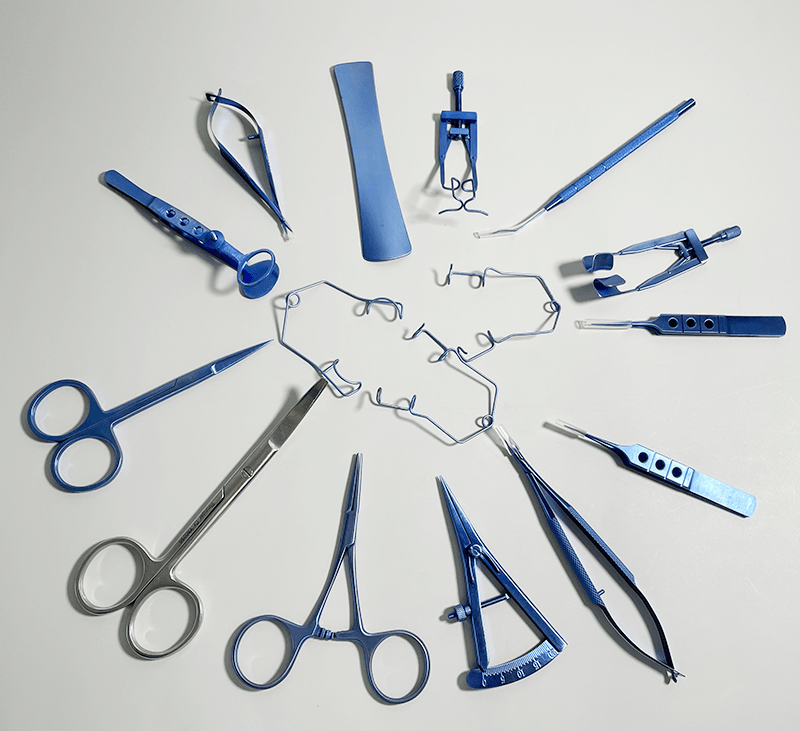
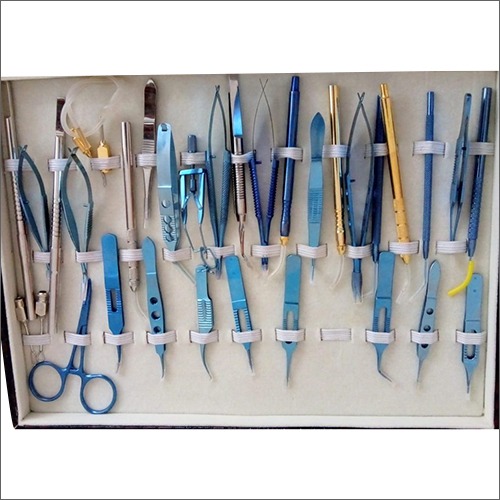
GlobalStar supplies precision ophthalmic instruments engineered for the most demanding microsurgical procedures. Our range covers cataract instrument sets, phaco accessories, forceps, scissors, specula, hooks, anterior and posterior segment instruments, and specialty tools used in corneal, retinal and oculoplastic surgery. The instruments are available in premium stainless steel and medical-grade titanium variants. Titanium sets are favoured for microsurgery because of low weight, excellent corrosion resistance, magnetic neutrality (suitable when operating near MRI), and smoother finishes that reduce tissue drag and enhance tactile feedback.
Detailed Guide — Types, Materials & Uses
Ophthalmic surgery requires tools that are small, precise and reliable. Below is a structured guide to instrument categories and considerations when procuring instruments for hospitals, eye clinics or surgical centres.
Common instrument categories
- Cataract sets: Capsulorhexis forceps, keratome, choppers, Sinskey hooks, lens holders and lens introducers — designed for phacoemulsification and small-incision cataract surgery.
- Retinal & vitreoretinal tools: Vitrectomy forceps, membrane peelers, backflush needles, endo-illuminators and trocar cannula systems for posterior segment surgery.
- Corneal instruments: Castroviejo calipers, trephines, keratome blades and speculums used in keratoplasty and refractive procedures.
- Microsurgical forceps & scissors: Monofilament fine-tip forceps, micro scissors for delicate tissue handling with minimal trauma.
Why titanium?
Titanium instruments offer superior longevity and are significantly lighter than stainless steel, reducing surgeon fatigue in long cases. Titanium's corrosion resistance makes it ideal for repeated sterilization cycles; it also permits extremely fine machining for ultra-fine tips used in ophthalmic microsurgery. For ophthalmic implant procedures or near-magnetized environments, titanium's non-ferromagnetic nature is an advantage.
Sterilization & maintenance
We recommend validated sterilization protocols — EO or steam sterilization depending on instrument material and manufacturer guidance. Titanium tolerates autoclave cycles well when instruments are cleaned promptly and lubricated with instrument milk (where applicable) to prevent stiffness. Instruments should be inspected for tip alignment and corrosion after each cycle; repair or reprofiling services are available through approved maintenance partners.
Procurement checklist for hospitals & tenders
- Confirm material (titanium vs stainless), needle/edge tolerances, and tip dimensions specific to the surgical specialty.
- Request CE & ISO certificates, sterilization validation and batch test reports.
- Ask for sample instruments for tactile inspection and compatibility tests on microscopes and trays.
- Check OEM private-labeling options and minimum order quantities for kit assembly.
- Confirm spare & replacement policy, warranty and lead times for custom engraving or branding.
GlobalStar supports OEM/white-label instrument sets, custom tray configuration, and tender documentation (device specifications, material certificates, sterilization records and QC reports). We also provide post-sale support including spare parts, reprofiling and logistics solutions for door-to-door dropshipping or full-container shipments.