
Surgical Sutures — Absorbable & Non-absorbable
Overview
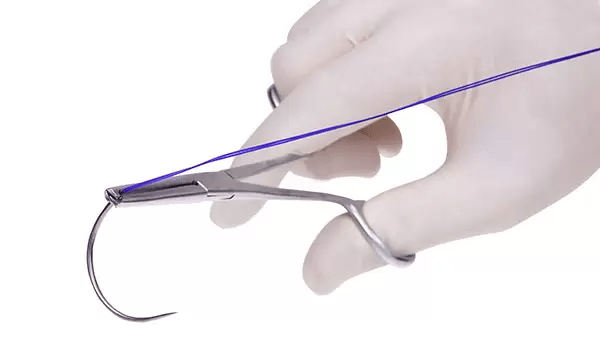
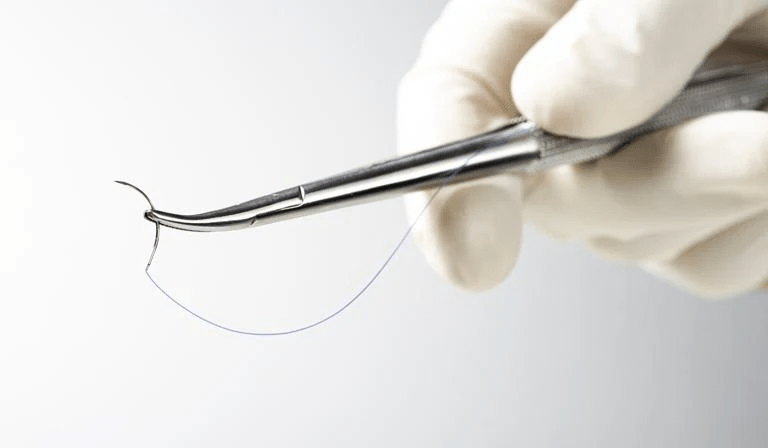
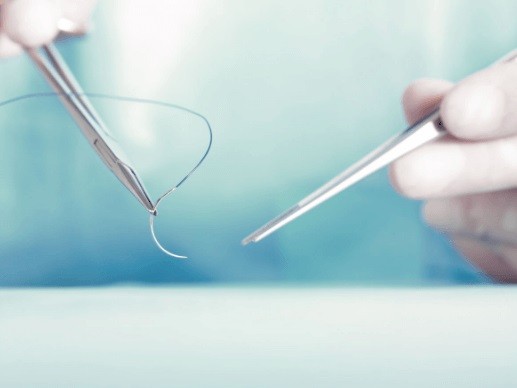
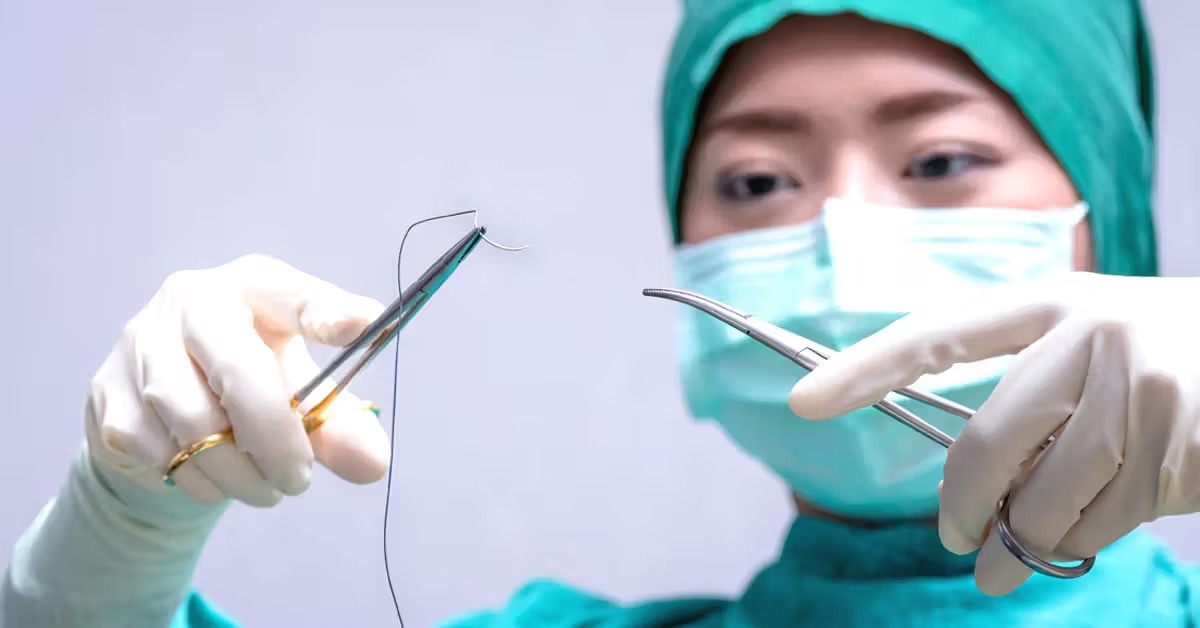
GlobalStar supplies a wide range of surgical sutures — absorbable (e.g., PDO, Polyglycolic) and non-absorbable (e.g., Nylon, Polypropylene, Silk) — in monofilament and braided formats. Needle choices include round-body, cutting and reverse-cutting needles across multiple curvatures and sizes. All sutures are sterile, single-packed and tender-ready with CE & ISO documentation.
Suture Education — Materials, Types & Sizes
We believe procurement decisions should be informed. Below is a clear guide to the suture materials, makes, types and sizes we offer — so hospitals, clinics and distributors can pick the right product for each procedure.
Materials & What they mean
- Absorbable — Polydioxanone (PDO), Polyglycolic acid (PGA), Poliglecaprone. These gradually hydrolyze in tissue and are ideal for internal closures where long-term support is not required.
- Non-absorbable — Nylon, Polypropylene (Prolene), Silk. These provide permanent tensile strength and are used where long-term support or external skin closures are required.
Make & Formats
- Monofilament — Smooth surface, low tissue drag, lower infection risk; commonly used in vascular, ophthalmic and microsurgery.
- Braided — Higher knot security and pliability, preferred for general soft-tissue closures and orthopaedic soft-tissue repair.
- Coated Braided — Braided core with a coating to improve glide and reduce capillarity.
Needle Types & Selection
- Cutting / Reverse-cutting — For skin and tough tissues where easier penetration is needed.
- Round-body (taper) — For soft internal tissues (e.g., bowel, vascular) to minimize cutting trauma.
- Needle Curvatures — 1/4, 3/8, 1/2, and full circle options to suit confined or open fields.
Sizes (USP) & Typical Uses
| USP 6-0 to 5-0 | Microsurgery, ophthalmic, facial / cosmetic closures |
| USP 4-0 to 2-0 | General soft tissue, skin closures, gastrointestinal tract |
| USP 1 to 5 | Orthopaedic, tendon repair, heavy tissue approximation |
If you need a tailored recommendation for a procedure (e.g., vascular anastomosis, paediatric skin closure, orthopaedic tendon repair), share the clinical context and we will propose material, size, needle type and packaging optimized for that use-case.